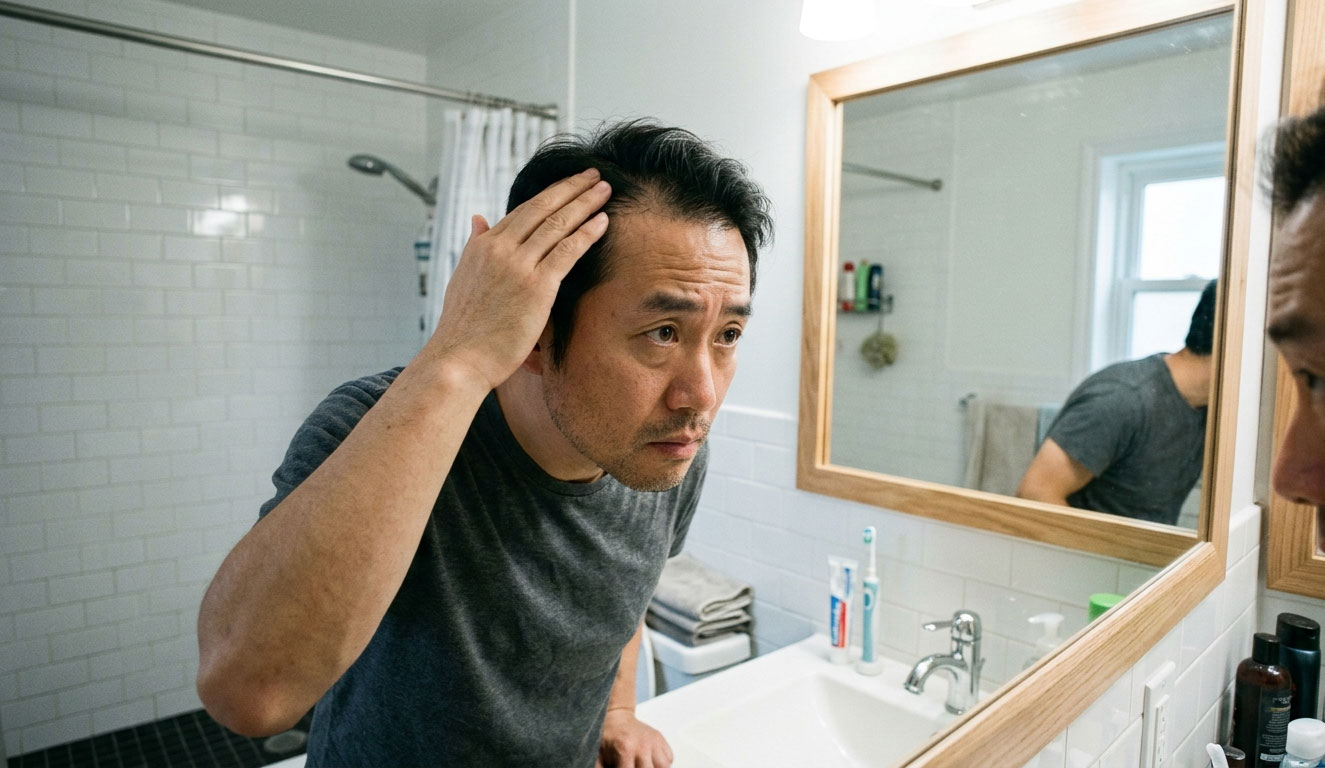
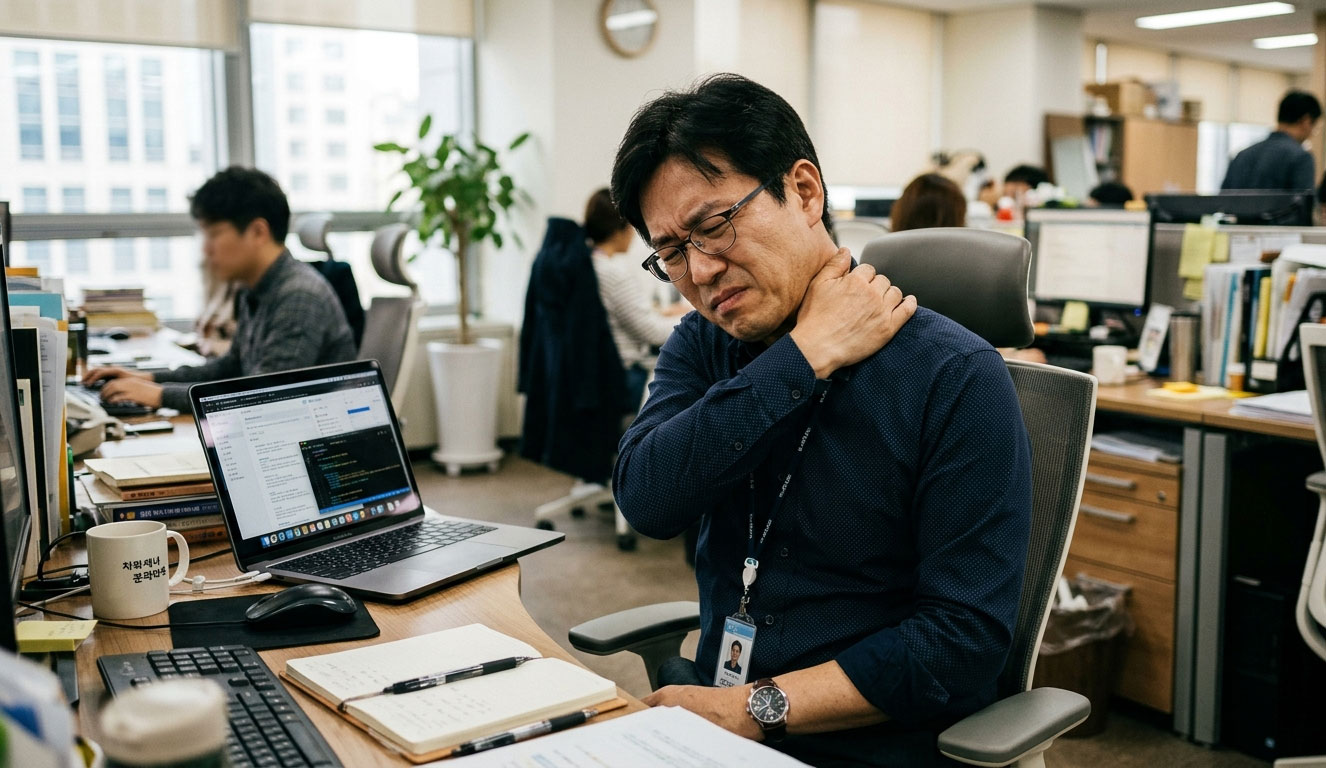
월요일 아침, 몸이 먼저 알아챈다
알람이 울리기도 전에 눈이 떠진다. 아직 새벽 다섯 시 반. 창밖은 여전히 어둡고, 몸은 이불 속에서 납처럼 무겁다. 손가락 하나 까딱하기 싫은 그 느낌 — 오늘이 월요일이라는 걸 뇌보다 몸이 먼저 알고 있는 것 같다.
60대에 접어들면 이 감각이 더 또렷해진다. 20대 때는 피곤해도 몸이 알아서 따라왔다. 30대엔 조금 무리해도 이틀이면 회복됐다. 하지만 지금은 다르다. 주말 내내 쉬었는데도 월요일 아침은 왜 이렇게 낯선 무게를 달고 시작하는 걸까. 이 글에서는 그 이유와 실질적인 해결 방법을 함께 살펴본다.
월요병이란 무엇인가 — 기분 탓이 아니다
'월요병'은 흔히 게으름이나 의지력 부족으로 여겨지지만, 실제로는 몸의 생체리듬과 깊이 연결된 생리적 현상이다. 정식 명칭은 없지만, 수면 의학 분야에서는 이를 '사회적 시차(Social Jetlag)'라는 개념으로 설명한다.
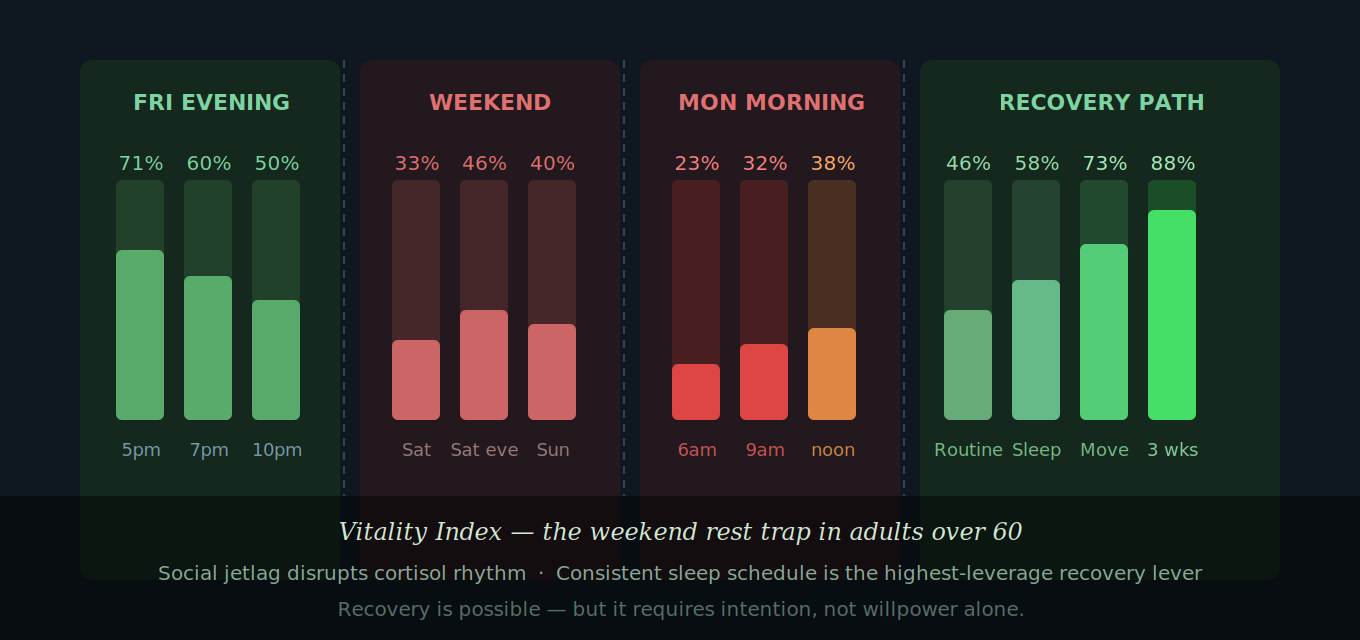
사회적 시차란, 주말 동안 평소보다 늦게 자고 늦게 일어나는 생활 패턴의 변화가 마치 해외 시차처럼 몸의 내부 시계를 흐트러뜨리는 현상을 말한다. 단 하루이틀만 수면 시간이 달라져도 우리 몸의 서카디안 리듬(24시간 생체 주기)은 영향을 받는다. 그리고 월요일 아침, 평소 기상 시간에 일어나야 할 때 몸은 아직 '주말 시간대'에 머물러 있다.
20~30대는 이 시차를 하루 이틀이면 되돌리지만, 60대는 회복 속도 자체가 다르다. 나이가 들수록 생체리듬의 유연성이 줄어들기 때문이다. 당신만 그런 게 아니다. 이건 의지력의 문제가 아니라, 몸이 보내는 정직한 신호다.
월요일에 유독 피곤한 이유는 크게 3가지입니다
월요일 아침 피로감이 다른 요일보다 유독 심하게 느껴지는 데는 분명한 이유가 있다. 단순히 '주말이 끝나서' 기분이 나쁜 게 아니라, 몸 안에서 실제로 세 가지 변화가 동시에 일어나기 때문이다.
첫 번째 이유 — 생체시계의 어긋남
코르티솔은 아침에 분비되어 몸을 깨우는 활력 호르몬이다. 젊을 때는 기상 직후 코르티솔이 빠르게 치솟아 몸이 빠른 시간 내에 활성화된다. 그러나 나이가 들면 이 분비 타이밍이 느려지고 양도 줄어든다. 여기에 주말 동안 생체시계가 1~2시간 뒤로 밀린 상태가 더해지면, 눈은 떴지만 몸이 깨어나는 데 훨씬 더 오랜 시간이 걸린다. 흔히 말하는 '몸이 안 따라온다'는 감각이 바로 이것이다.
두 번째 이유 — 수면의 질 저하
60대는 전체 수면 시간보다 수면의 구조가 바뀐다는 점이 핵심이다. 깊은 수면(서파수면)의 비중이 줄어들고, 얕은 수면과 중간에 깨는 횟수가 늘어난다. 8시간을 누워 있었어도 깊은 수면이 부족하면 몸은 '충분히 쉰' 신호를 받지 못한다. 주말에 평소보다 늦게 잠들었다면 수면 사이클 자체가 무너진 채로 월요일을 맞이하게 된다.
세 번째 이유 — 해소되지 못한 피로의 누적
직장에서 쌓인 스트레스와 정신적 피로는 주말 이틀로 완전히 해소되지 않는 경우가 많다. 몸의 피로보다 뇌의 피로가 더 오래 남기 때문이다. 이 피로는 빚처럼 쌓인다. 해소되지 못한 채 다음 주로 넘어가고, 그 빚이 월요일 아침마다 청구서처럼 날아오는 것이다. '이번 주도 버텨야 한다'는 심리적 부담이 교감신경을 자극하고, 이것이 수면의 질을 낮추는 악순환으로 이어진다.
피로를 줄이는 실질적인 해결 방법
월요병을 완전히 없애는 방법은 없다. 하지만 몸이 월요일 아침을 훨씬 가볍게 맞이할 수 있도록 만드는 방법은 있다. 핵심은 거창한 변화가 아니라, 작고 꾸준한 습관의 조정이다.
수면 시간 일관성 유지하기
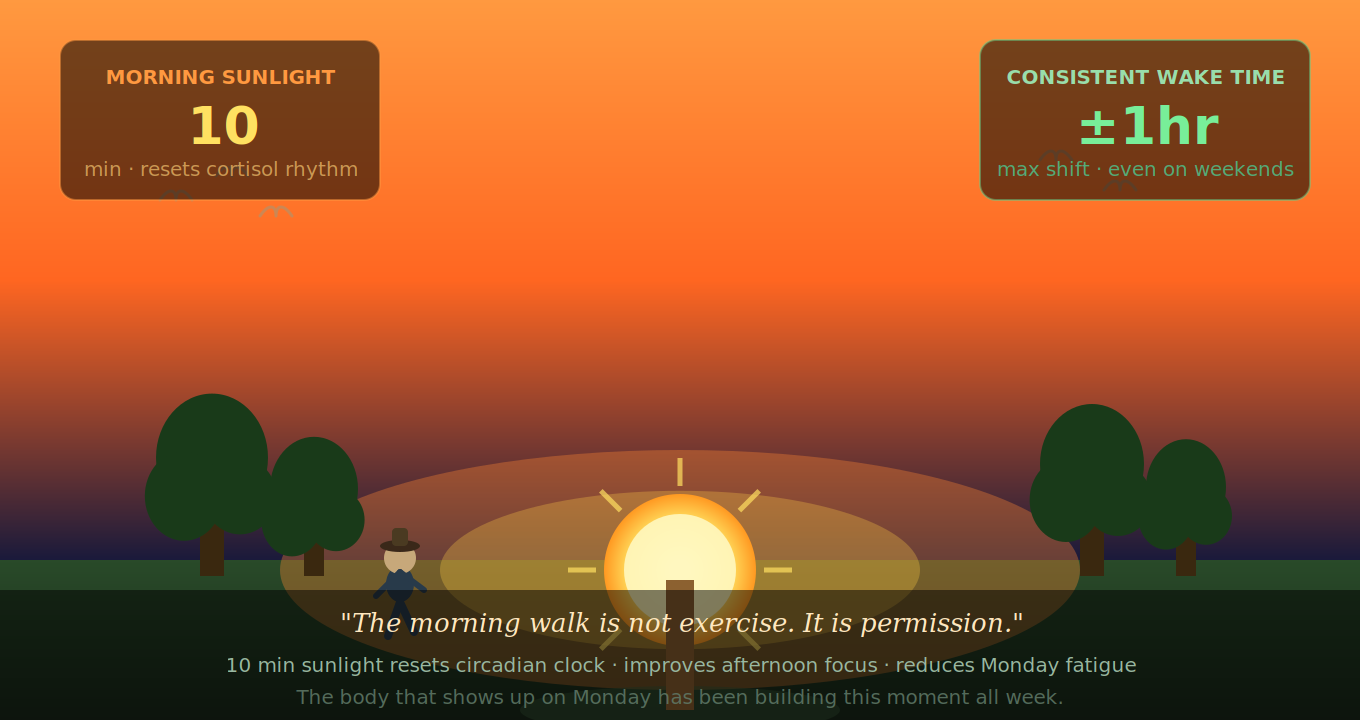
주말이라도 기상 시간을 평일과 1시간 이상 차이 나지 않게 유지하는 것이 가장 효과적이다. 늦잠은 달콤하지만 생체리듬을 더 흐트러뜨린다. 잠드는 시간보다 일어나는 시간을 먼저 고정하는 것이 핵심이다. 수면 전문가들은 이를 '수면 앵커(Sleep Anchor)'라고 부른다. 기상 시간이 고정되면 수면 사이클 전체가 안정된다.
오전 햇빛 노출로 생체시계 리셋
오전 중 자연광을 10~15분 쬐는 것은 서카디안 리듬을 리셋하는 가장 자연스러운 방법이다. 햇빛은 세로토닌 분비를 촉진하고, 밤에 멜라토닌이 제때 분비되도록 돕는다. 점심시간에 건물 밖을 짧게 걷는 것만으로도 오후의 집중력과 저녁 수면의 질이 달라진다.
단백질 중심의 아침 식사
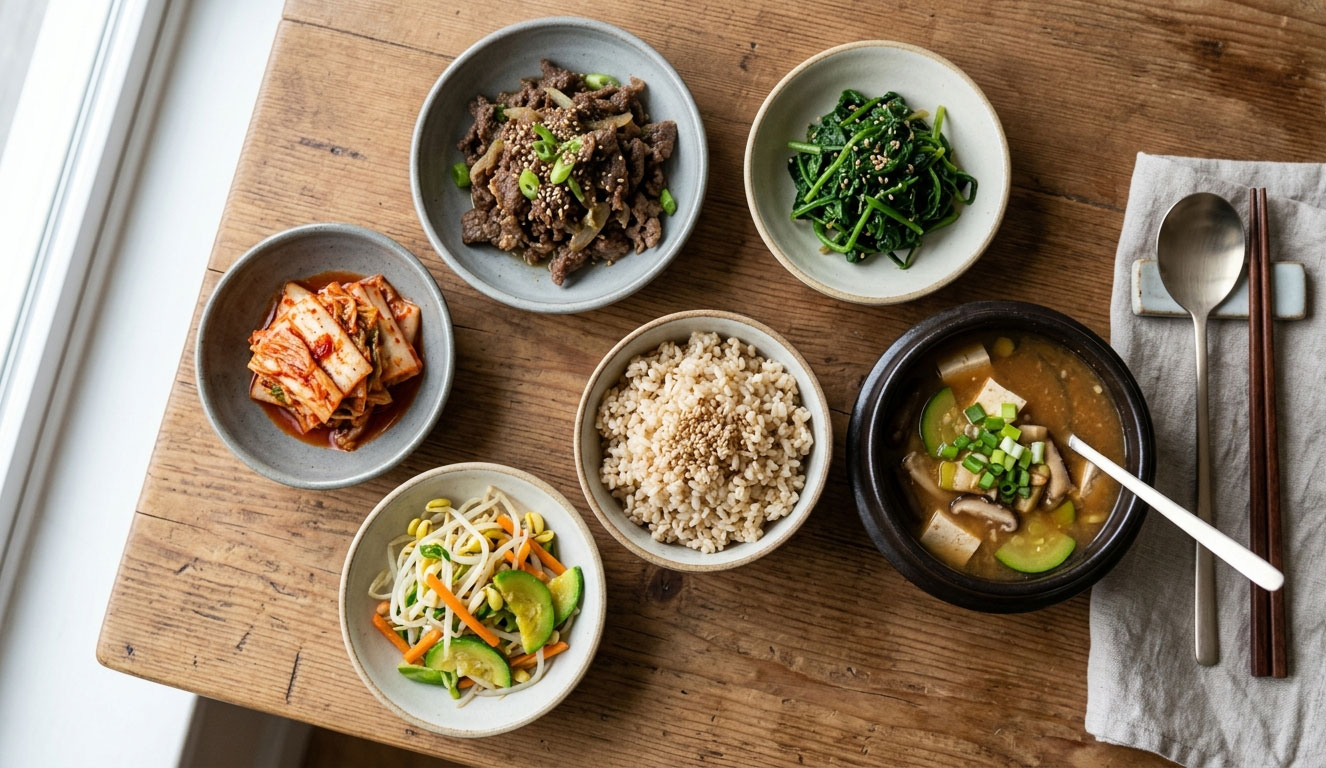
60대 이후 근육량 감소는 피로도와 직결된다. 탄수화물 위주의 아침 식사는 혈당을 급격히 올렸다가 빠르게 떨어뜨려 오전 중 피로감을 증가시킨다. 계란, 두부, 생선, 그릭 요거트 등 단백질이 포함된 아침 식사는 혈당을 안정적으로 유지하고 오전 에너지를 지속시킨다.
퇴근 후 의도적 회복 시간 확보
퇴근 후 '아무것도 하지 않는 20분'을 의도적으로 비워두는 것이 좋다. TV도 스마트폰도 없이, 눈을 감고 조용히 앉아 있거나 가볍게 스트레칭하는 시간이다. 뇌가 업무 모드에서 휴식 모드로 전환되는 이 시간이 다음날 에너지의 바닥을 채워준다.
이번 주부터 바로 쓸 수 있는 실천 팁 5가지
해결 방법을 알아도 실천이 어렵다면 의미가 없다. 다음은 당장 이번 주부터 적용 가능한 구체적인 팁이다.
팁 1. 일요일 밤 '준비 루틴' 만들기
다음날 입을 옷을 미리 꺼내두고, 아침 식사 재료를 준비해두자. 이 작은 행동만으로도 월요일 아침의 인지적 부하가 눈에 띄게 줄어든다. 결정해야 할 것이 적을수록 아침이 가볍다.
팁 2. 월요일 첫 업무는 쉬운 것부터
가장 어렵고 중요한 업무를 월요일 오전에 몰아넣지 말자. 가벼운 이메일 확인, 일주일 일정 정리 등 낮은 집중력으로도 처리 가능한 것부터 시작하면 몸이 업무 리듬에 자연스럽게 올라탄다.
팁 3. 주말 카페인 섭취 줄이기
주말에 평소보다 커피를 더 많이 마시는 경우가 많다. 카페인은 수면의 질을 낮추고 생체리듬을 교란한다. 주말 오후 2시 이후에는 카페인을 피하는 것이 월요일 아침 컨디션에 도움이 된다.
팁 4. 일요일 가벼운 산책으로 몸 깨우기
완전한 휴식보다 가벼운 활동이 오히려 피로 회복에 효과적이다. 일요일 오전이나 오후에 20~30분 산책을 하면 혈액순환이 활성화되고, 월요일 아침 몸의 무거움이 줄어든다.
팁 5. 스스로에게 가혹하지 않기
월요일 아침에 무겁다고 느끼는 것은 약함의 표시가 아니다. 수십 년을 일해온 몸이 여전히 자리를 지키고 있다는 증거다. 완벽한 컨디션으로 시작하려 하지 않아도 된다. 그냥 시작하면 된다. 몸이 따라오는 데는 시간이 걸리지만, 결국은 따라온다.
결론 — 월요병은 없애는 것이 아니라 관리하는 것이다
월요병은 나이가 들수록 더 뚜렷하게 느껴지지만, 그것이 곧 체력 저하나 노화의 신호는 아니다. 생체리듬의 어긋남, 수면의 질 저하, 만성 피로의 누적 — 이 세 가지가 복합적으로 작용한 결과다. 그 원인을 이해하고 작은 습관들을 하나씩 조정해가는 것이 현실적인 접근이다.
수면 시간의 일관성, 아침 햇빛 노출, 단백질 식사, 퇴근 후 회복 시간 — 이 네 가지만 꾸준히 실천해도 월요일 아침의 무게는 분명히 달라진다. 한꺼번에 다 바꾸려 하지 말고, 이번 주 한 가지만 먼저 시작해보자.
오늘 점심시간, 스마트폰을 주머니에 넣고 건물 밖에서 10분만 걷는 것부터.
📌 함께 읽으면 좋은 글: 스마트폰 사용이 피로와 수면에 미치는 영향이 궁금하다면 → 스마트폰 없이 4시간, 뇌가 쉬기 시작했다