이 포스팅은 쿠팡 파트너스 활동의 일환으로,이에 따른 일정액의 수수료를 제공받습니다.
고양이 사료 성분표, 왜 읽어야 하는가
사료 봉투 뒷면을 펼쳐보면 빽빽한 글자들이 가득하다. 원재료명, 조단백질, 조지방, 수분, 첨가물 — 무엇을 봐야 할지 몰라서 그냥 덮어두는 경우가 많다. 하지만 고양이가 매일 먹는 음식의 품질은 바로 그 성분표 안에 담겨 있다.
고양이는 개나 사람과 달리 완전한 육식 동물이다. 식물성 재료만으로는 필수 영양소를 충분히 얻지 못한다. 타우린, 아라키돈산, 비타민 A 등은 동물성 재료에서만 얻을 수 있는 성분들이다. 그렇기 때문에 어떤 원재료가 사용되었는지 직접 확인하는 습관이 고양이의 장기적인 건강을 지키는 가장 확실한 방법이다. 이 글에서는 성분표를 처음 읽는 사람도 바로 적용할 수 있도록 핵심만 정리한다.
고양이 사료 성분표에서 반드시 확인해야 할 핵심은 3가지입니다
수많은 항목 중에서 실제로 사료의 품질을 판단하는 데 가장 중요한 세 가지 포인트가 있다. 이 세 가지만 제대로 파악해도 어떤 사료가 우리 고양이에게 적합한지 스스로 판단할 수 있다.
첫 번째 — 원재료 순서 확인하기
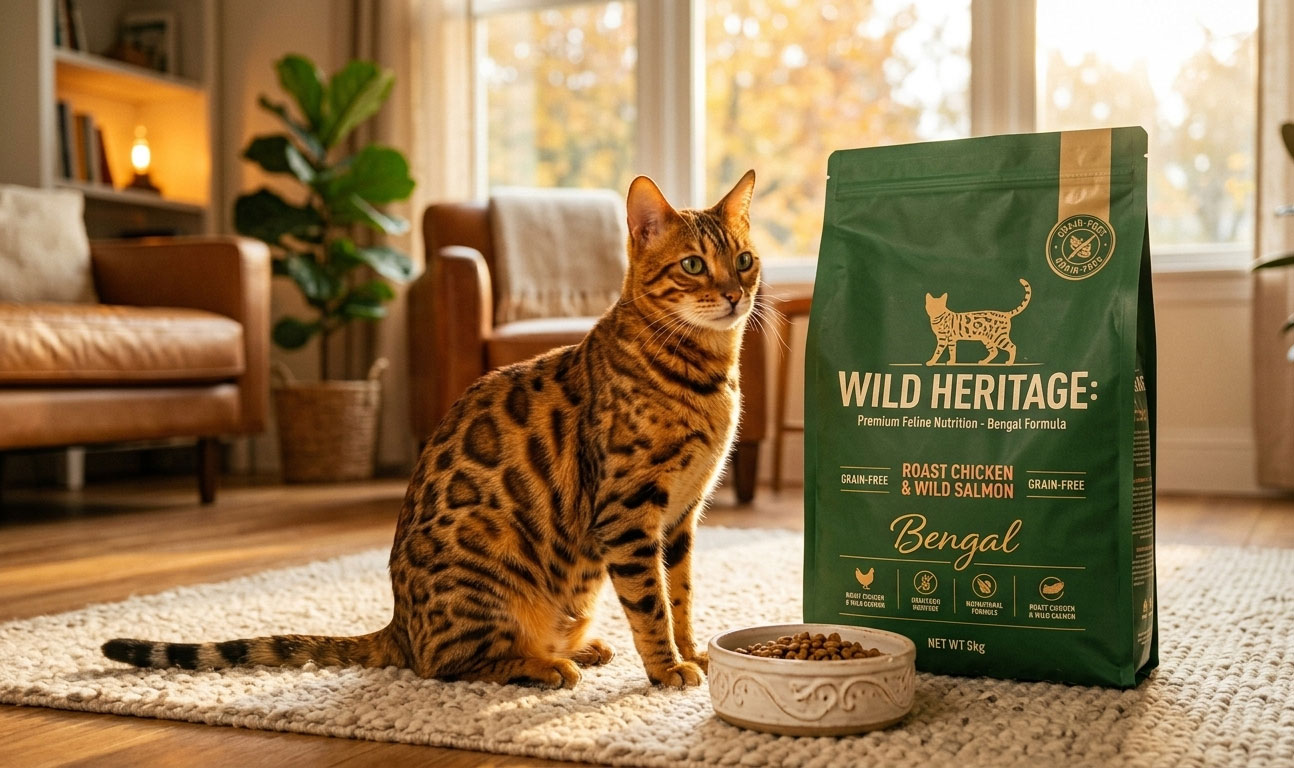
사료 성분표는 함량이 많은 순서대로 적혀 있다. 즉, 맨 앞에 적힌 재료가 사료에 가장 많이 들어간 재료다. 좋은 사료라면 원재료 목록의 첫 번째 항목이 반드시 동물성 단백질이어야 한다. 고양이는 육식 동물이기 때문에 식물성 단백질만으로는 필요한 필수 아미노산을 충분히 공급받기 어렵다.
원재료 첫 번째 항목으로 닭고기, 연어, 참치, 칠면조, 오리고기, 닭 생육, 연어 생육 등이 적혀 있다면 긍정적인 신호다. 반면 옥수수, 밀, 대두, 쌀 등 곡물류나 식물성 재료가 첫 번째로 기재되어 있다면 단백질 공급원이 충분하지 않을 가능성이 있으므로 한 번 더 살펴볼 필요가 있다.
두 번째 — 조단백질 수치 확인하기
성분 분석표에서 가장 중요한 숫자는 조단백질(Crude Protein) 수치다. 사료 안에 단백질이 얼마나 들어있는지를 나타내는 지표로, 고양이의 근육 유지와 전반적인 건강에 직결된다.
수의사들이 일반적으로 권장하는 기준으로는 건식 사료(드라이)의 경우 조단백질 30% 이상, 습식 사료(캔·파우치)의 경우 조단백질 8~10% 이상이다. 습식 사료는 수분 함량이 높아 수치가 낮게 표기되는 것이므로 건식과 단순 비교하면 안 된다. 다만 나이와 건강 상태에 따라 적정 수치는 달라질 수 있다. 신장 질환이 있는 고양이는 오히려 단백질을 줄여야 하는 경우도 있으니, 질환이 있다면 정확한 기준은 수의사와 상담하는 것이 중요하다.
세 번째 — 피해야 할 성분 파악하기
모든 첨가물이 나쁜 것은 아니다. 하지만 다음 성분들은 가능하면 적게 들어간 사료를 선택하는 것이 좋다고 알려져 있다.
BHA와 BHT는 합성 산화방지제로, 천연 방부제인 비타민 E나 로즈마리 추출물을 사용한 제품이 더 좋은 선택이다. 인공색소(Red 40, Yellow 5 등)는 고양이에게 불필요한 성분이므로 없는 제품을 우선적으로 고려하자. 원재료명에 '닭 부산물'처럼 구체적인 부위가 명시되지 않은 경우보다는 구체적인 부위명이 적힌 사료가 신뢰도가 높다. 소금과 설탕은 기호성을 높이기 위해 첨가되는 경우가 있는데, 함량이 적을수록 좋다.
건식 사료 vs 습식 사료 — 어떤 것이 더 좋은가
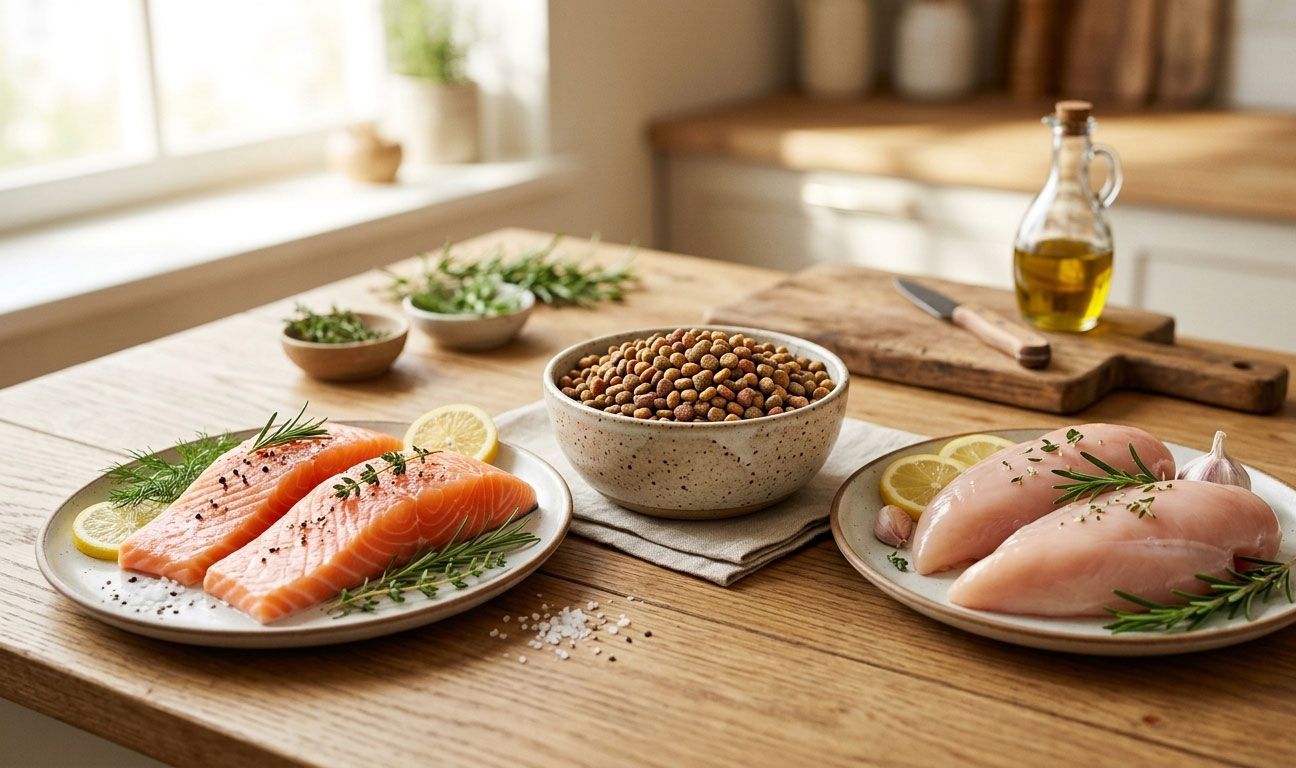
고양이 사료를 선택할 때 건식과 습식 중 무엇이 더 좋은지 궁금해하는 보호자들이 많다. 정답은 하나가 아니다. 두 가지 모두 장단점이 있고, 고양이의 나이와 건강 상태에 따라 적합한 비율이 다르다.
건식 사료의 특징
보관이 쉽고 치아 건강에 도움이 된다는 장점이 있다. 가격 대비 급여량이 많아 경제적이기도 하다. 다만 수분 함량이 낮아 물을 충분히 마시지 않는 고양이에게는 신장과 비뇨기 건강에 부담이 될 수 있다. 건식 사료를 주로 먹이는 경우 신선한 물이 항상 제공되어야 한다.
습식 사료의 특징
수분 함량이 70~80%로 높아 물을 잘 마시지 않는 고양이의 수분 보충에 효과적이다. 신장 질환이나 비뇨기 문제가 있는 고양이에게 특히 권장된다. 단, 개봉 후 빠르게 변질되므로 보관에 주의가 필요하고, 장기적으로 치아 건강 관리를 별도로 신경 써야 한다.
많은 수의사들은 건식과 습식을 혼합해서 급여하는 방식을 권장한다. 비율은 고양이의 건강 상태와 보호자의 환경에 따라 조정하면 된다. 강아지 사료 성분표도 함께 이해하고 싶다면 강아지 사료 성분표 읽는 법을 참고하면 비교에 도움이 된다.
사료 선택과 교체 시 알아두면 좋은 실전 팁 5가지
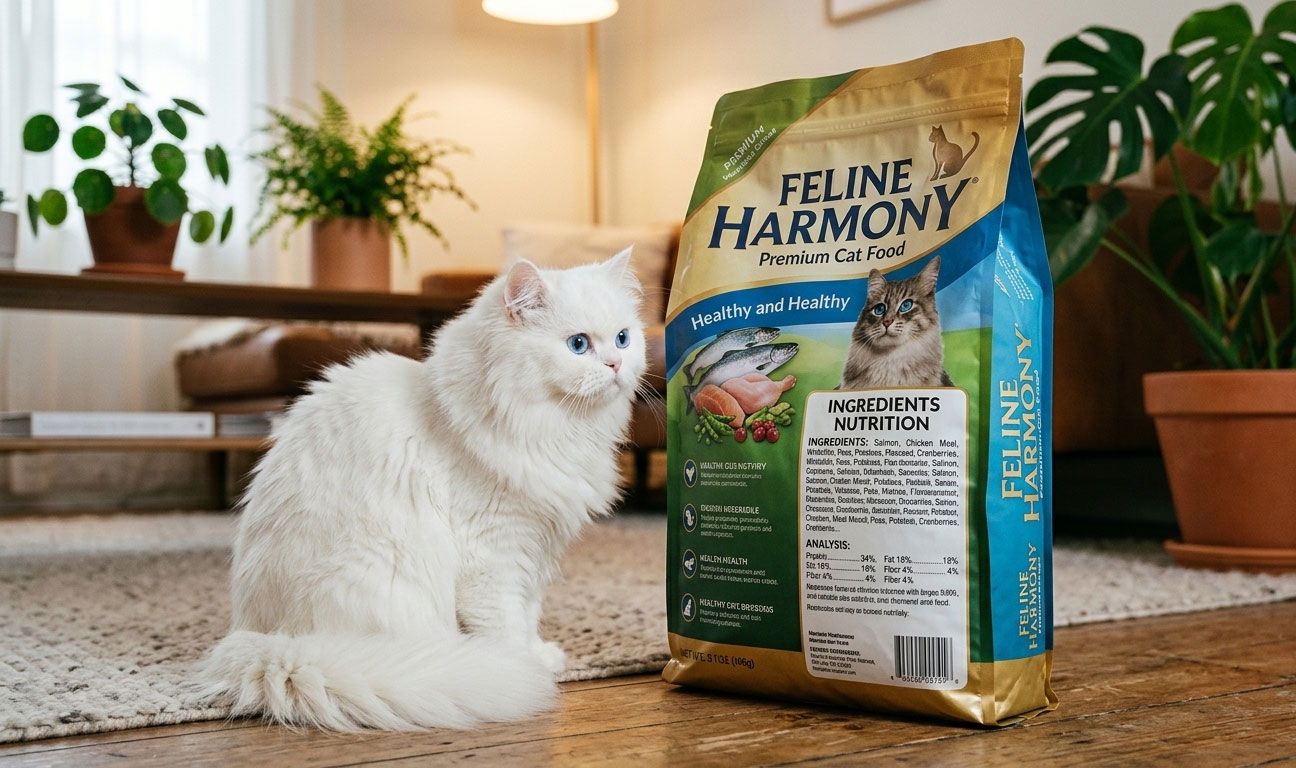
성분표를 읽는 법을 알았다면, 실제 사료를 선택하고 바꾸는 과정에서 주의할 점들도 함께 알아두는 것이 좋다.
팁 1. 첫 번째 원재료가 고기인지 먼저 확인한다
원재료명 목록에서 닭고기, 연어, 칠면조 등 육류가 첫 번째로 오는지 체크하는 것이 사료 선택의 첫 단계다. 브랜드 이름보다 성분표를 먼저 보는 습관을 들이는 것이 중요하다.
팁 2. 조단백질 30% 이상인지 확인한다 (건식 기준)
성분 분석표에서 조단백질 수치를 찾아 건식 기준 30%가 넘는지 확인하자. 같은 가격대라면 단백질 함량이 높은 사료가 영양적으로 더 유리하다.
팁 3. 새 사료는 1~2주에 걸쳐 천천히 교체한다
새 사료로 바꿀 때는 기존 사료에 10~20%씩 혼합 비율을 늘려가며 1~2주에 걸쳐 전환하는 것이 좋다. 갑자기 바꾸면 소화 장애나 구토가 생기는 경우가 많다.
팁 4. 비싼 사료가 무조건 좋은 것은 아니다
가격보다 성분표를 직접 읽는 것이 우리 고양이 건강을 지키는 가장 확실한 방법이다. 합리적인 가격대의 사료 중에서도 원재료와 단백질 함량이 우수한 제품을 찾을 수 있다.
팁 5. 급여 후 3~4주간 반응을 관찰한다
아무리 성분이 좋은 사료도 개별 고양이와 맞지 않을 수 있다. 새 사료로 바꾼 후 식욕, 변 상태, 털 윤기, 활력을 3~4주간 관찰하는 것이 좋다. 이상 반응이 지속된다면 사료를 바꾸거나 수의사와 상담하는 것을 권장한다. 고양이가 갑자기 밥을 잘 먹지 않거나 기운이 없다면 반려동물이 아플 때, 보호자의 마음을 함께 읽어보길 권한다.

결론 — 성분표 읽기는 5분이면 충분하다
고양이 사료 성분표에서 확인해야 할 핵심은 세 가지다. 원재료 첫 번째 항목이 동물성 단백질인지, 조단백질 수치가 기준 이상인지, 피해야 할 첨가물이 들어있지 않은지. 이 세 가지만 기억하면 어떤 사료를 마주하더라도 스스로 판단할 수 있다.
고양이가 매일 먹는 밥이니만큼 5분만 투자해서 성분표를 한 번 들여다보자. 지금 먹이고 있는 사료가 적합한지 확인하는 것부터 시작하는 것으로도 충분하다. 고양이와 함께하는 생활 전반에 대해 더 알고 싶다면 반려동물이 가르쳐준 것들도 함께 읽어보길 권한다.
※ 이 글의 영양 관련 수치는 일반적인 참고용이며, 정확한 사료 선택은 수의사와 상담하기 바란다.